Deodorant vs antiperspirant, and the types in between
The underarm aisle conflates two products that do different jobs, sold in four textures that behave differently on skin. Sorting the first from the second fixes most deodorant complaints, because the usual frustration — “it stopped working” — is usually a product doing its actual job instead of the one the shopper wanted.
Two different jobs, one shelf
Deodorant targets odor, not sweat. Sweat itself is nearly odorless; underarm bacteria break it down into the smell you notice, so deodorants work with antimicrobials that slow the bacteria and fragrance that covers the rest. Antiperspirant targets sweat itself: aluminum salts — aluminum chlorohydrate and aluminum zirconium are the common ones — dissolve into the opening of the sweat duct and form a temporary gel plug that reduces how much sweat reaches the surface. In the US the label tells you which one you are holding: antiperspirants are regulated as over-the-counter drugs and carry a drug facts panel, while plain deodorants are cosmetics. Most sticks do both, which is exactly why the distinction gets lost.
The aluminum question, stated carefully
Periodic claims connect aluminum antiperspirants to breast cancer or Alzheimer’s disease. Current public health guidance does not support those links: bodies including the American Cancer Society and the National Cancer Institute note that studies have not established a causal connection, and the amount of aluminum absorbed through intact underarm skin is small and cleared by the kidneys. The desk’s honest limit: science cannot permanently prove a negative, and research continues — but “no supporting evidence per current guidance” is the accurate reading today. Choosing aluminum-free remains a perfectly legitimate preference for comfort or skin tolerance; it is a preference, not a health directive.

Stick, gel, spray, cream
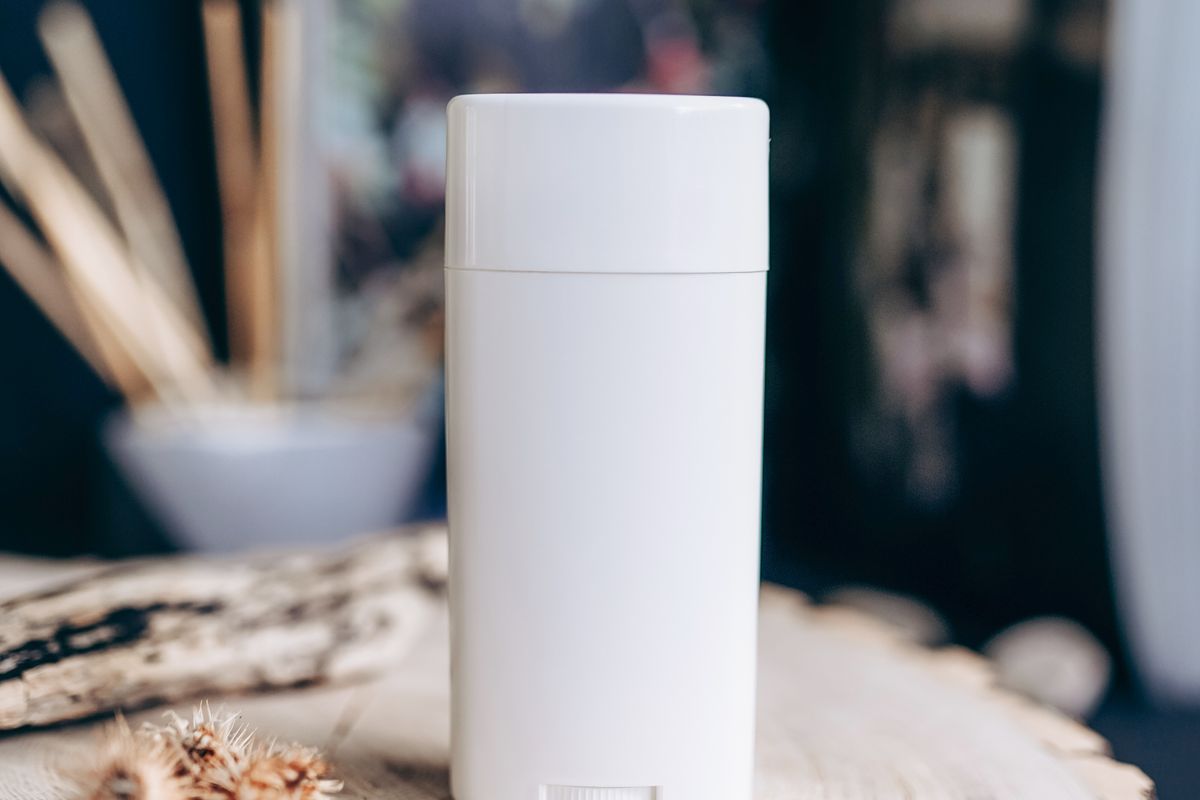
Texture decides where each format lands. Sticks are wax-oil solids that glide on and finish quickly, with the classic cost of residue transferring to dark clothing. Gels are clear, water-based, and wet going on — they need a minute to set, but leave no white marks on skin or fabric. Sprays are the fastest and most even, and reach without touching. The costs are an alcohol sting on freshly shaved skin, plus the need to apply in a ventilated room, not a steamy bathroom, without inhaling the cloud. Creams are rubbed in by hand and land closest to balm-to-matte on skin; the prescription-strength aluminum chloride formulas come in this format most often. Natural deodorants live across all four textures — their variable is the odor-fighting chemistry, and the baking-soda versions irritate enough skin that pH is the likeliest culprit behind any rash.
Timing and dry skin
Both formats spread best on completely dry skin — damp underarms dilute the film and the fragrance both. For antiperspirant specifically, timing is the whole game: apply at night on dry skin, when sweat glands are quietest, and the plug forms undisturbed through sleep. After shaving, wait a few hours or skip the aluminum that night; freshly shaved skin is compromised territory, as the desk’s skin barrier primer explains, and stinging is the mild version of what happens. Underarm care is one piece of the wider routine the desk keeps in the body and bath section.
Last thing worth saying: sweat is a function, not a flaw, and no product stops it entirely. If sweat soaks through clothing daily despite a nightly antiperspirant, that is a conversation for a dermatologist — prescription options exist beyond anything on this shelf.
Frequently asked
- Can I use deodorant and antiperspirant at the same time?
- Most products already combine both, and layering a separate deodorant over an antiperspirant adds fragrance but little function. The useful distinction is picking which job you need done: sweat is the antiperspirant's target, odor is the deodorant's.
- Why apply antiperspirant at night?
- Because sweat glands are least active while you sleep, the aluminum salt can settle into the duct and form its plug without being washed away by daytime sweat or a morning shower. The effect commonly lasts into the next day even after you bathe.
- Are natural deodorants worse?
- They are different, not worse — they target odor only, usually with antimicrobials or baking soda. The one texture caution: baking-soda-based formulas are alkaline enough to irritate some skin, so a rash after switching brands is more likely a pH issue than a detox.