Gel or cream? Let texture choose your moisturizer
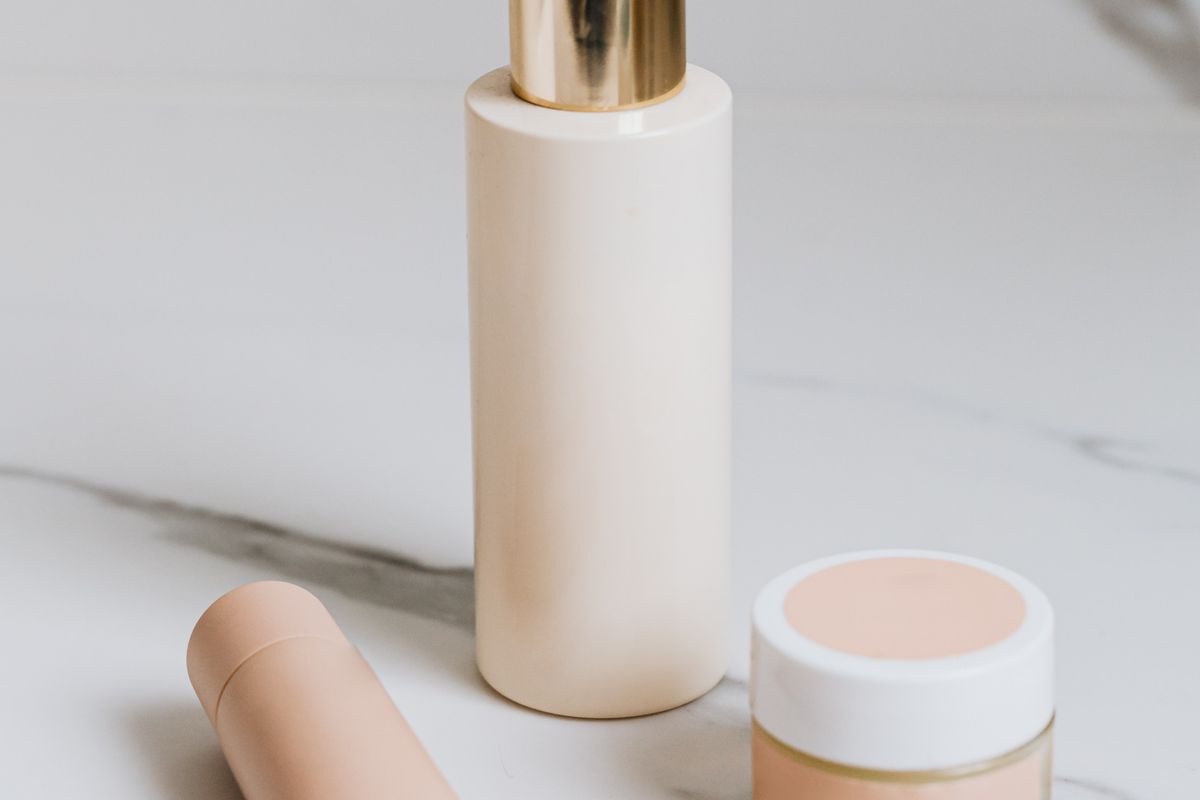
Moisturizers sort cleanly by weight: gel, gel-cream, cream, balm. That order predicts how a product will sit, absorb, and seal far better than any ingredient headline on the front of the jar. Knowing what makes each texture what it is turns the choice from brand loyalty into a two-minute read.
What makes a gel a gel
A gel is mostly water, thickened with polymers and built around humectants — glycerin, hyaluronic acid, panthenol — with little to no oil phase. Those humectants pull water toward the skin’s surface, which is why gels feel instantly hydrating and disappear on application. The trade-off is sealing power: humectants attract water but do not hold it in. In dry air or over a leaky barrier, a gel alone can leave skin tighter than it found it. That is the mechanism behind the hyaluronic acid serums this desk compared — and why they are asked to perform under an occlusive layer, not instead of one.
What makes a cream a cream
A cream is an emulsion: water and oil bound together by an emulsifier. The oil side — plant oils, butters, waxes, and barrier-mimicking lipids like ceramides and cholesterol — gives a cream its cushion and its staying power. It sits longer on the skin and slows water loss for hours. That is the mechanism a compromised barrier needs most, which is why the desk’s skin barrier guide puts a proper cream, not a watery hydrator, at the center of repair routines.
Which skin, and which climate
Read the environment first. Humid air supplies the water humectants need, so gels perform at their best there, and they keep oily and combination skin from looking reflective by mid-afternoon. Creams earn their place in cold, dry conditions — winter heating, wind, long flights — and on dry or mature skin that loses water quickly. Switching textures between seasons is not indecision; it is matching the formula to the weather. The desk’s month-by-month winter guide is built on exactly that switch.
The gel-cream middle
Between the two sits the hybrid: a water base with a modest oil phase, emulsified lightly. Gel-creams absorb like a gel but leave a thin cushion behind, and for most people in most climates they are the reasonable default. If a choice feels like a coin flip, this is the middle answer both textures are pointing at. The ceramide moisturizers this desk compared include several that land in exactly this slot — structured like creams, worn like gels.
One caution to close: texture names on packaging are marketing, not regulation. A jar labeled gel can be a lotion in disguise. The first five ingredients tell the truth — water, humectants, and no visible oils means gel; an oil or butter high in the list means cream behavior regardless of the label.
Frequently asked
- Can oily skin use a cream moisturizer?
- Yes. Skin type does not disqualify texture, and oiliness often worsens when skin is under-moisturized. A lightweight cream or lotion-cream applied thinly at night is a workable middle for oily skin in dry climates.
- Is a gel moisturizer enough on its own in winter?
- In cold, dry conditions, usually not. Gels hydrate but seal poorly, and winter air strips what they deliver. Layering a cream over the gel, or switching to a cream outright, is the standard seasonal move.
- Does gel mean oil-free?
- Usually low in oil, but not guaranteed zero — the word is not a regulated claim. The ingredient list settles it: oils or butters appearing early in the list mean cream behavior regardless of the front label.