Why longwear makeup lasts: film formers, explained simply
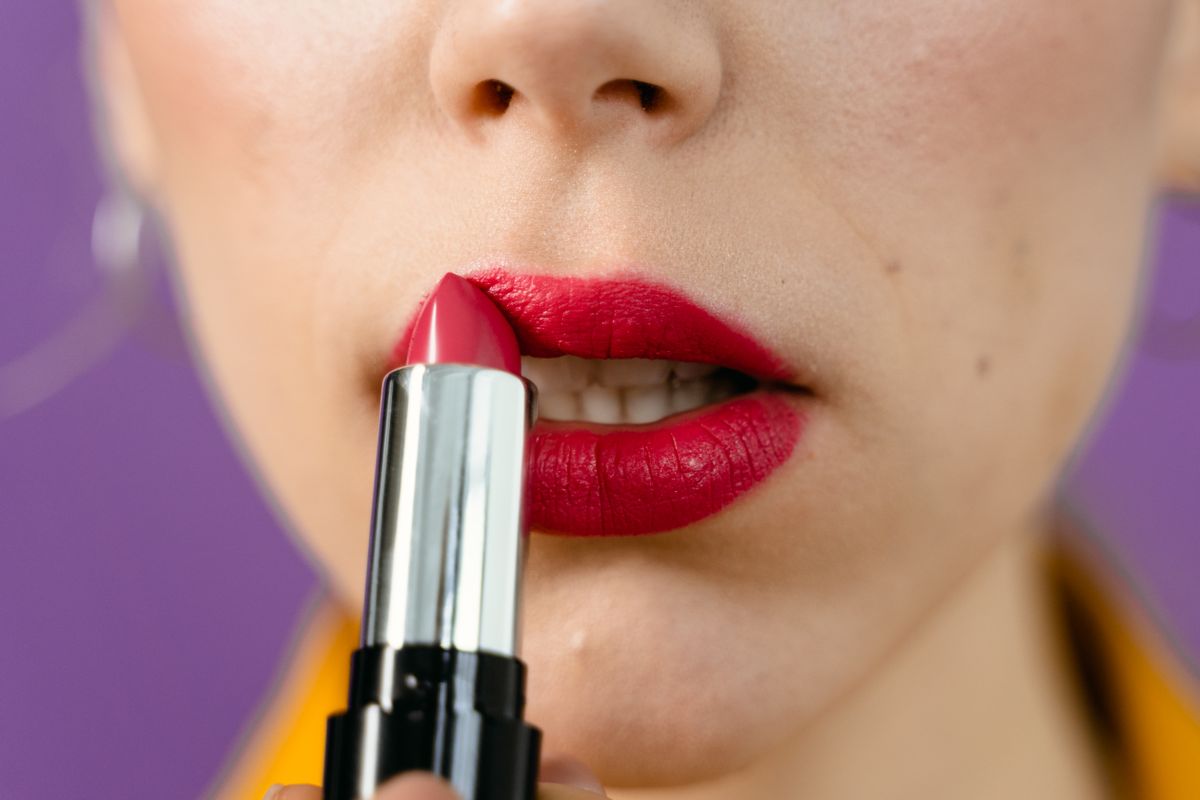
Longwear is not a willpower claim. A foundation that survives a workday, a commute, and a gym session does so because it is built like a coating — and the ingredient doing the work is the film former.
What a film former does
Ordinary foundation holds pigment in an emulsion that stays soft, which is why it moves: oil from skin, sweat, and a collar all redistribute it. A longwear formula swaps the soft emulsion for polymers — acrylate copolymers, silicones like trimethylsiloxysilicate, or PVP-family resins. Once the formula’s solvents evaporate, these polymers settle into a continuous, flexible film that locks pigment particles in place, the way a topcoat fixes nail color. The pigment is not changed; it is simply encased. That is the mechanism in one line: hold comes from a solid network, not from a thicker cream.
The volatility tradeoff
To set that film quickly, longwear formulas lean on fast-evaporating solvents — volatile silicones and, in some formulas, alcohol. They spread the product thin, then leave. The quick set is the point, and the dry, tight feel is the same event: the skin is registering rapid evaporation, and what remains on the surface is polymer and pigment with little of the slip a regular foundation keeps. This is why longwear and comfort fight each other at the texture level, and why a hydrating primer softens but does not erase it. Skin that already sits on the dry side often experiences the tradeoff more strongly than the label anticipates — the catch with every “12-hour comfortable wear” claim is that the label does not know which barrier it is landing on.
What transfer-proof actually means
A transfer-resistance claim describes one condition: dry contact while the film is intact. Press a cup against a set film and little comes off, because the pigment is fixed inside the polymer network. Three things still defeat it, predictably. Sustained friction wears the film mechanically. Oil — including the skin’s own sebum as hours pass — dissolves the polymer and releases pigment, which is why longwear breaks down around the nose first. And water resistance is a separate property entirely; some films repel water, some do not, and “transfer-proof” on the label says nothing about which.
What it means for removal
The removal implication follows directly: a polymer film will not come off with water or friction alone, and a plain surfactant cleanse tends to smear pigment rather than release it. Oil does dissolve it, which is why the desk treats a balm or cleansing oil first pass as the standing answer on longwear days — the removal-by-texture guide maps which remover handles which film. The pairing to avoid is strong longwear plus weak removal plus nightly repetition, because the halfway-clean state is where residue and congestion accumulate.
| Claim on label | What it tests | What it does not cover |
|---|---|---|
| Transfer-proof | Dry contact on a set film | Water, sustained friction |
| Waterproof | Exposure to moisture | Oil, sebum over hours |
| 12-hour wear | Pigment staying power | Comfort, removal ease |
One caveat to keep the category honest: polymer lists vary widely, and “longwear” on a label is not a standardized chemistry. The mechanism above is the reliable part; the degree is not.
Frequently asked
- Is longwear makeup bad for skin?
- Not inherently, but it changes the removal bill. The same films that hold pigment in place resist a casual cleanse, so longwear days call for an oil or balm first pass. Skip it and the residue, not the film former itself, is what tends to irritate.
- Why do longwear formulas feel dry?
- They are built to set fast, which means their solvents evaporate quickly off the skin. The evaporation is the setting. The tight, dry sensation is the tradeoff, and moisturizing underneath does not fully cancel it.
- Does transfer-proof mean waterproof?
- No. Transfer-proof describes resistance to rubbing off on dry contact while the film is intact. Water resistance is a separate claim about surviving moisture. A formula can pass one test and fail the other, and friction eventually defeats both.