Silk Pillowcases and Hair: The Claims, and What Holds Up
The pitch is everywhere: sleep on silk and your hair will thank you. Strip the packaging down and there are three separate claims hiding in it — less friction, less moisture loss, better hair over time. One of them is solidly grounded in how hair behaves; the others are stretched well past what anyone has measured. Sorting them takes about five minutes.
The friction mechanism is real
Hair is most vulnerable to surface damage when it is dragged across a rough, absorbent surface while dry — and cotton terry is exactly that. The cuticle is a shingled outer layer, and repeated rubbing lifts and chips the shingles, which is the mechanical start of the frizz and split ends people blame on everything else. A tight, smooth weave lets hair glide instead of grip, so overnight friction drops to a fraction. That part is not marketing; it is the same logic behind using a microfiber towel instead of a terry one, which the air-drying guide covers.
What friction reduction plausibly buys you: fewer snapped short hairs on the pillow, smoother second-day texture, blowouts that survive an extra morning, and less frizz at the hairline for people who move a lot in their sleep. What it does not buy: moisture, growth, or repair of damage already done.
Silk versus satin: the confusion is doing the pricing
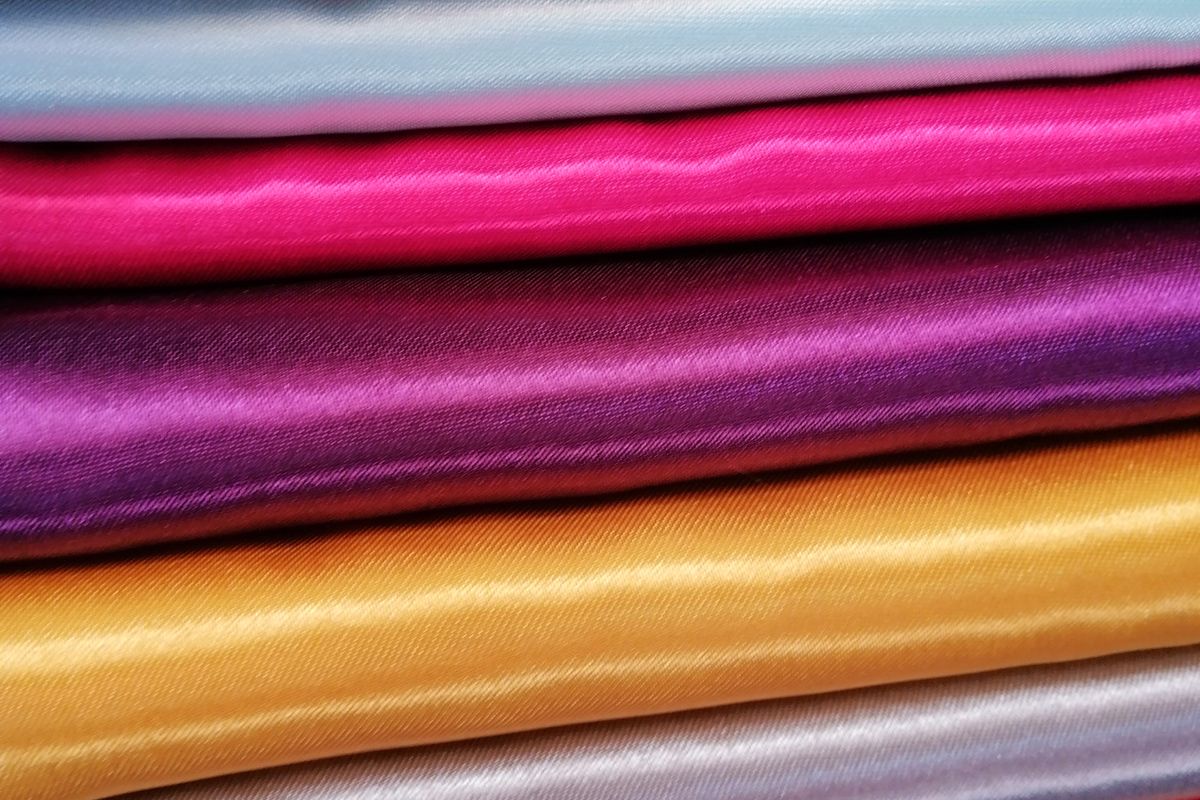
Silk is a fiber. Satin is a weave. Any fiber — polyester, nylon, rayon — can be woven in a satin structure, and it is the weave that produces the smooth, low-friction surface. A polyester satin pillowcase at a fraction of the price delivers the same glide; a “silk” woven loosely can drag. When a listing says “silk satin,” read the fiber content line: 100% mulberry silk with a momme weight (silk’s thread-density measure, roughly 19 to 22 is the sweet spot) is the genuine article; “satin” alone usually means polyester. If the goal is less friction, the weave matters more than the fiber, and the honest budget play is a well-made satin.

The case for actual silk is comfort rather than mechanics: it is breathable, less clammy for hot sleepers, and kinder to skin. That is a real benefit — just a different one than the hair claims.
The claims the evidence does not carry
Two claims outrun the label. First, moisture: silk is less absorbent than cotton, so it pulls less of your hair’s surface moisture and product away overnight — plausible directionally, but no one has measured the difference, and a leave-in does more than any pillowcase. The desk’s hair oil comparison covers the products that actually seal surface moisture. Second, growth: hair grows at the follicle, which a pillowcase cannot reach. Breakage reduction retains length, and retained length reads as growth in the mirror. That is the whole mechanism, and sellers who imply more are selling past it.
Third, quietly: silk does not fix rough hair. If the cuticle is already lifted from heat or bleach, a smooth surface prevents additional mechanical damage but changes nothing about the strand itself. Pairing the swap with a bond builder addresses both ends of the problem.
The care cost nobody puts in the listing
Real silk is a commitment. It wants hand-washing or a delicate cycle, pH-neutral detergent, no bleach, no fabric softener, and air-drying out of direct sun — the same weekly rhythm as any pillowcase, with half the tolerance for shortcuts. Wash it hot once and the friction benefit goes with it. Polyester satin shrugs off machine washing; if you will not maintain the silk routine, buy the satin. The material that lives in your actual habits beats the superior one that does not.
Frequently asked
- Is satin as good as silk for hair?
- Mostly yes — satin describes a weave, not a fiber, and a polyester satin weave produces the same low-friction surface the claims rest on. Silk adds breathability and a natural fiber hand-feel, but the friction argument alone does not justify the price gap. Check the weave first, the fiber second.
- Do silk pillowcases help hair grow?
- No credible evidence supports that. A smooth surface reduces breakage of hair that already exists, which can make length look like it comes faster — retained length, not growth. Growth happens at the follicle, and a pillowcase does not reach it.
- How often should I wash a silk pillowcase?
- About as often as a cotton one, roughly weekly, but by hand or on a delicate cycle with pH-neutral detergent, no bleach, no fabric softener. Air-dry away from direct sun. The care routine is the real price of silk, more than the tag.